
Stories
Water access is becoming a frontline issue for Afghan communities
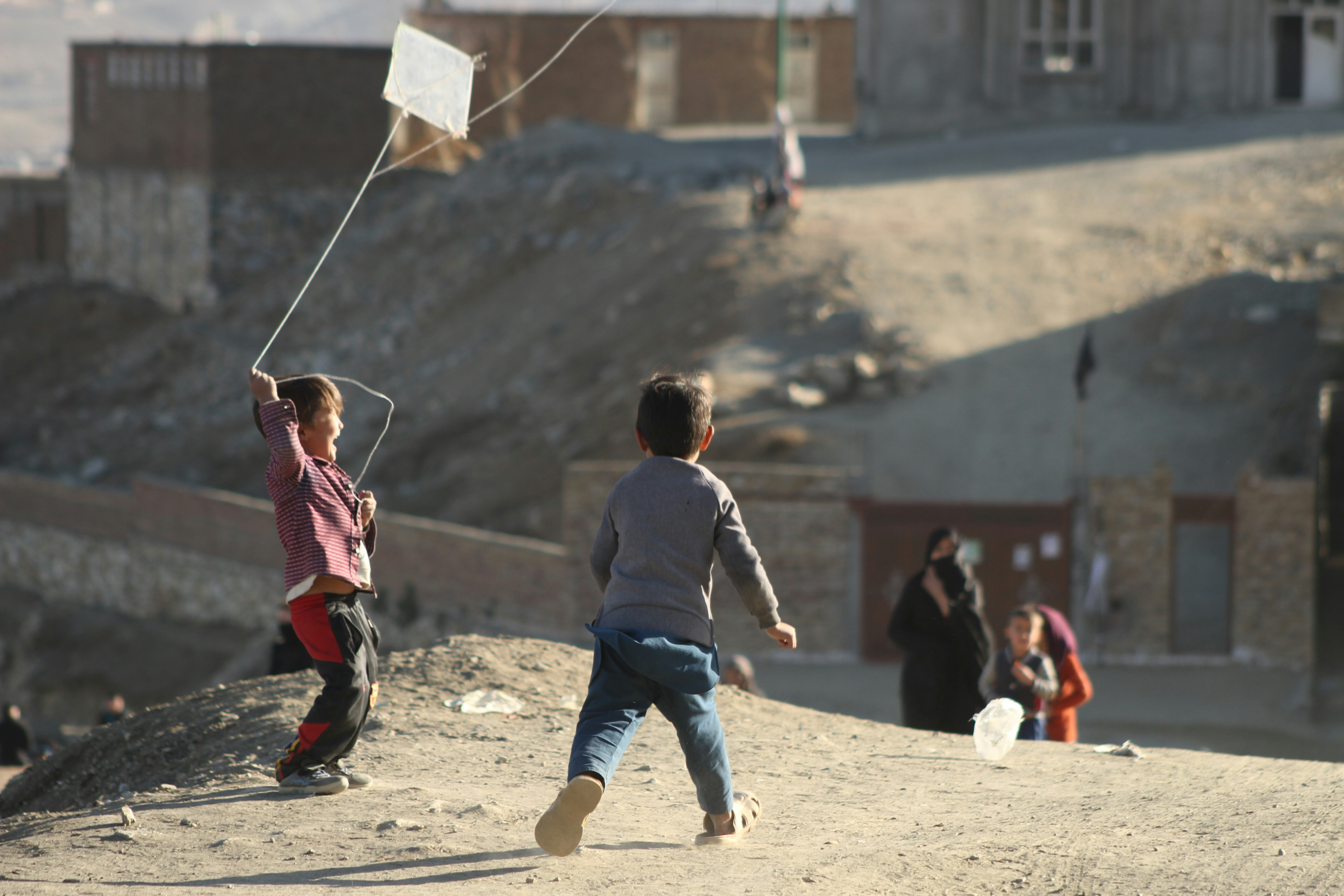
Across Afghanistan, water access is becoming more than an infrastructure issue. Drought, floods, climate stress, displacement, and pressure on local services are making safe and reliable water a frontline concern for families.
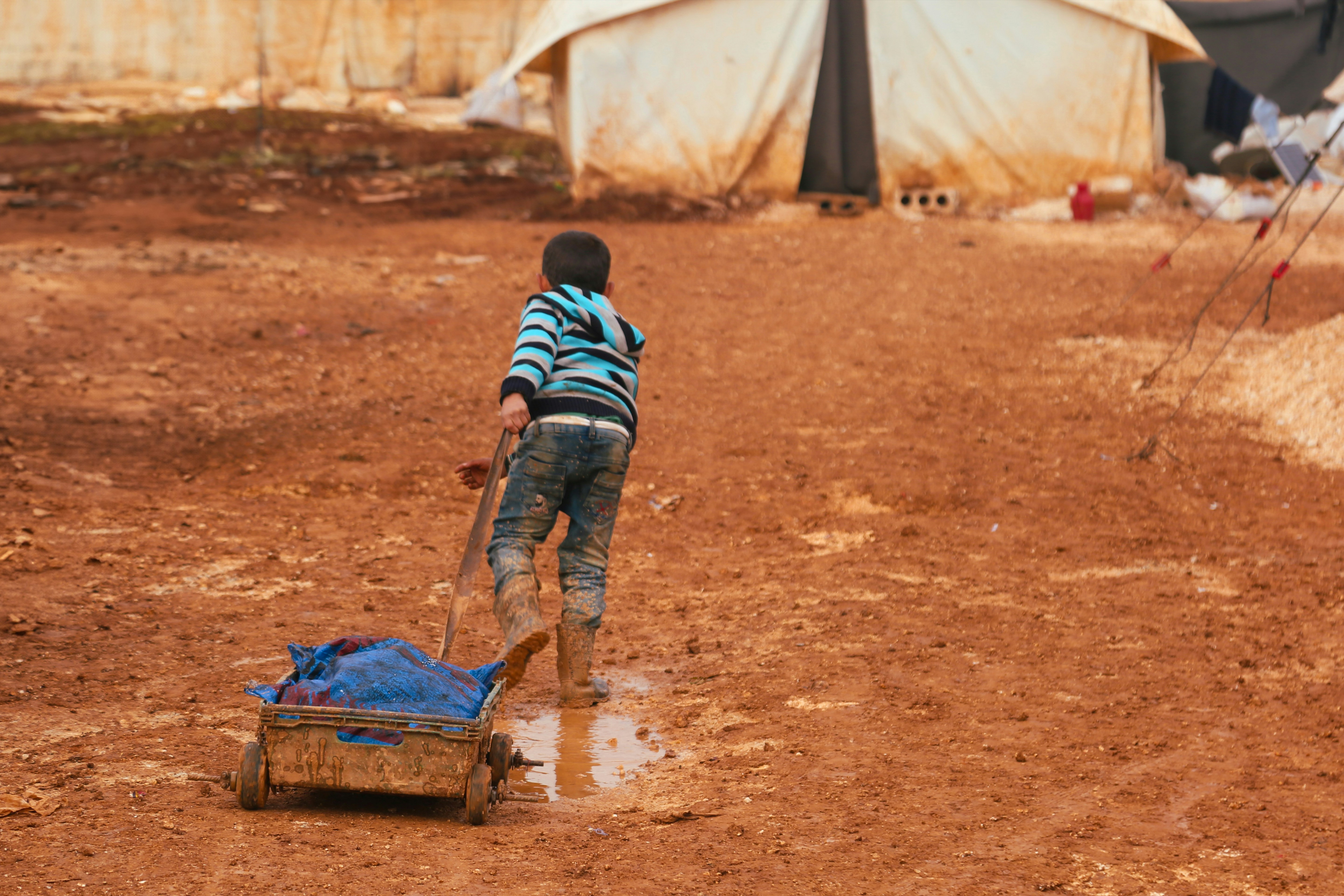
When water is far away, every part of daily life is affected. Children may arrive late to learning spaces, caregivers lose hours collecting water, hygiene becomes harder, and preventable illness can spread more easily.
Public humanitarian reporting has repeatedly linked Afghanistan's water challenges with climate shocks and the pressure of population movement. Communities need systems that can keep working beyond a single season.
Water, health, and dignity
Safe water protects health, but it also protects dignity. It allows families to wash, cook, care for children, and manage daily routines without spending much of the day searching for a basic necessity.
For women and children in particular, nearby water access can reduce physical burden and create more time for learning, family care, and income-generating work.
Community ownership makes systems last
Water solutions are strongest when communities are involved in planning, maintenance, and monitoring. A pump, well, or water point is not only a structure; it is a shared responsibility.
Nations Foundation supports the principle that water resilience must be locally understood, technically sound, and connected to broader community health and education goals.
Related Content
More Stories
Event Participation
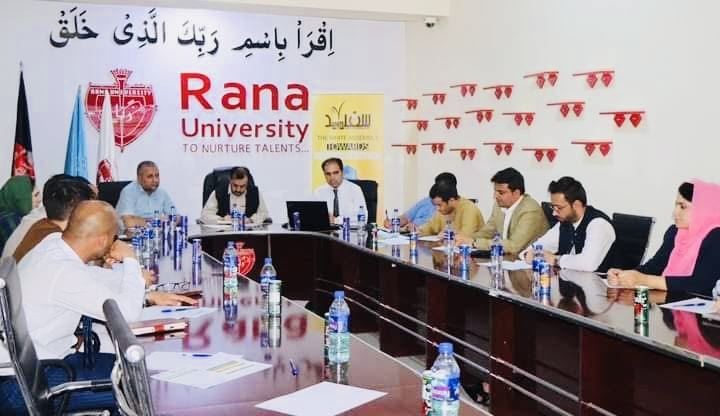
Nation Social Assembly representative participates in National Youth Conference
A representative joined national discussions on youth engagement, civic participation, and Afghanistan's development.
Read storyEvent Participation
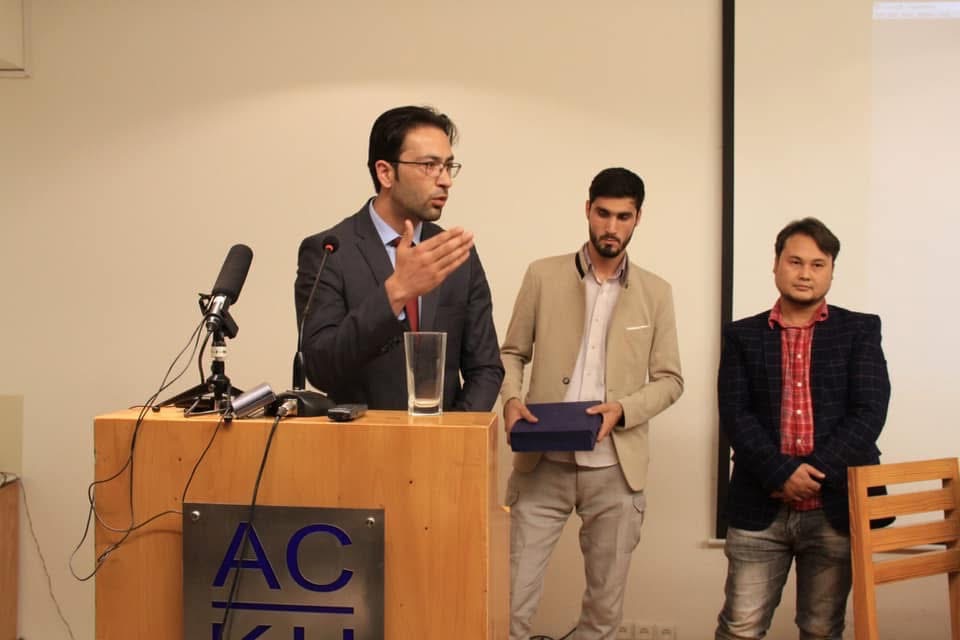
Founder joins National Dialogue on Tolerance and Reconciliation
The founder highlighted tolerance, mutual respect, peaceful coexistence, and reconciliation as foundations for a united Afghanistan.
Read storyStakeholder Engagement
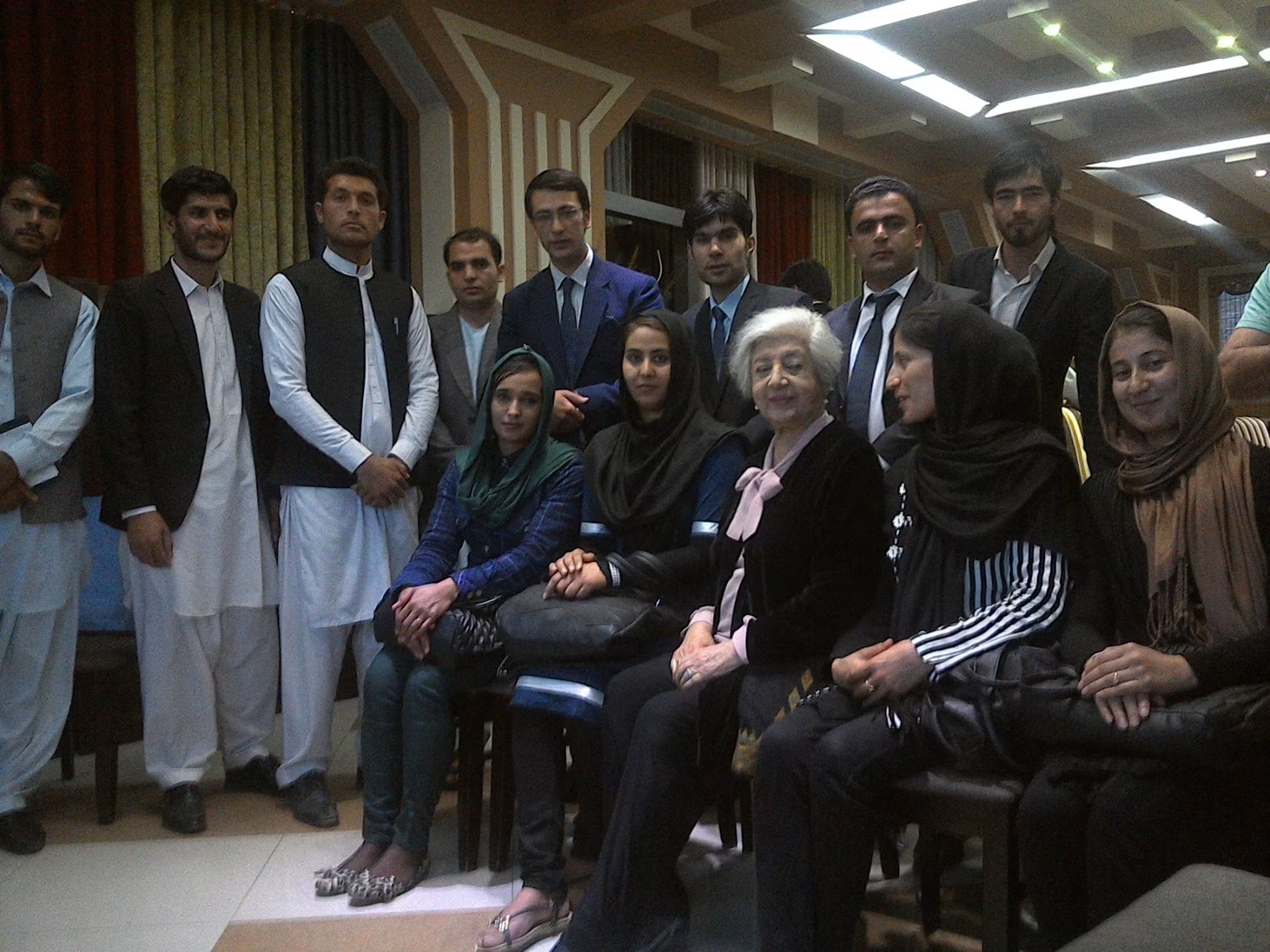
Nation Social Assembly meets with the team of Princess India
The founder and representatives discussed an inclusive platform to unite Afghans around dignity, justice, and national progress.
Read story