
Research
Food security in Afghanistan: why family resilience needs sustained support
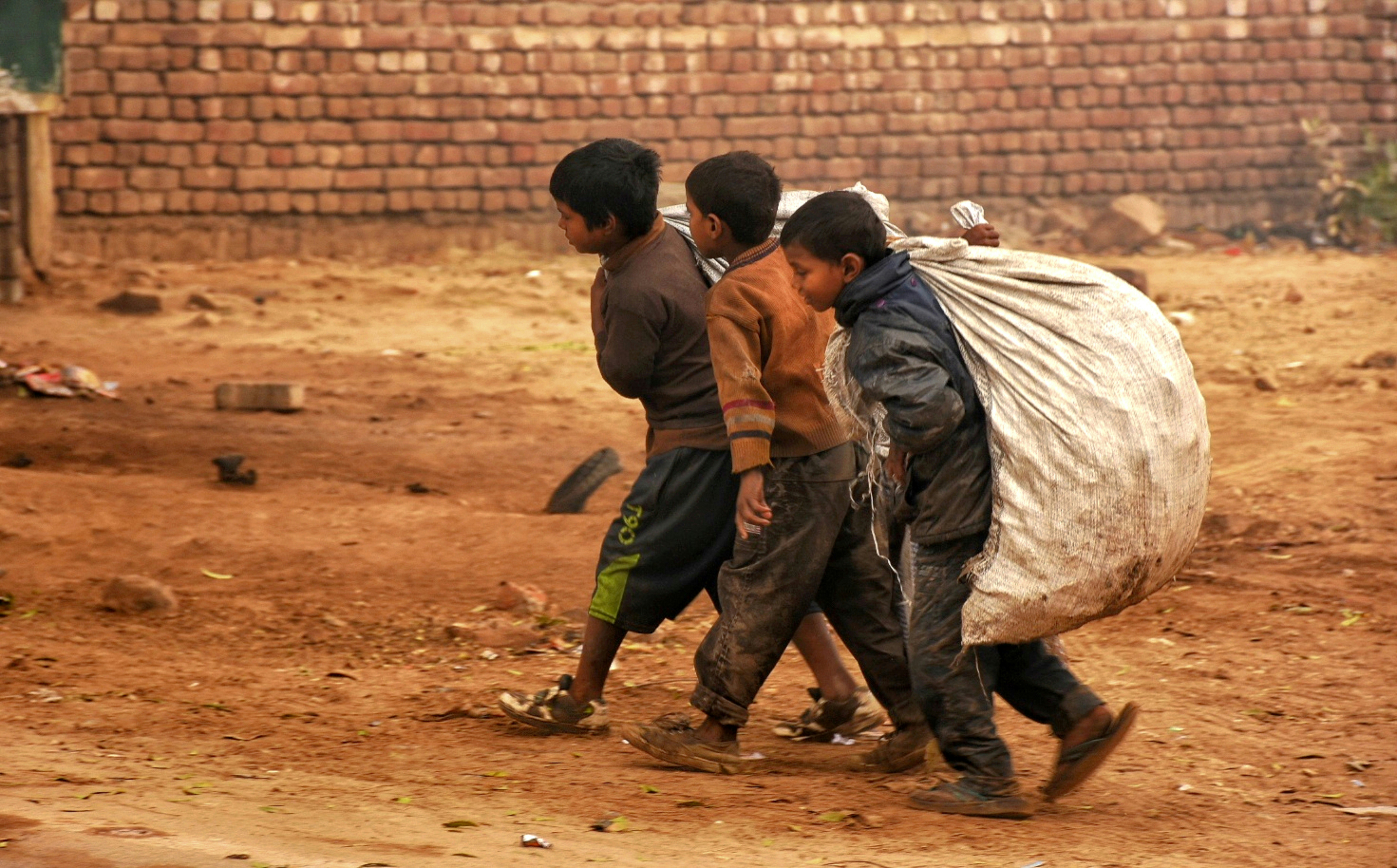
Food insecurity remains one of Afghanistan's most urgent humanitarian challenges. Public reporting from UN-linked food security analysis and WFP-related coverage has warned that millions of Afghans face acute hunger, while child malnutrition continues to place families under severe strain.
Hunger in Afghanistan is not caused by one factor alone. It is shaped by poverty, unemployment, climate shocks, displacement, returnee movements, reduced international assistance, and the rising cost of basic goods.
For vulnerable families, food insecurity often forces painful choices: buying bread instead of medicine, delaying school expenses, reducing meals, or taking on debt that becomes harder to repay.
Children carry the deepest cost
When children do not receive enough nutritious food, the impact goes beyond hunger. It affects growth, concentration, immunity, and the ability to learn. Malnutrition can turn an economic crisis into a long-term development crisis.
Families need food support that is predictable enough to protect children through the months when work is scarce, prices rise, or climate conditions damage local livelihoods.
From relief to resilience
Emergency food assistance saves lives, but resilience requires more: transparent targeting, nutrition awareness, school support, livelihood opportunities, and community monitoring so the most vulnerable are not missed.
Nations Foundation believes food security programs should be practical, accountable, and connected to long-term family stability rather than treated as isolated distributions.
Related Content
More Stories
Event Participation
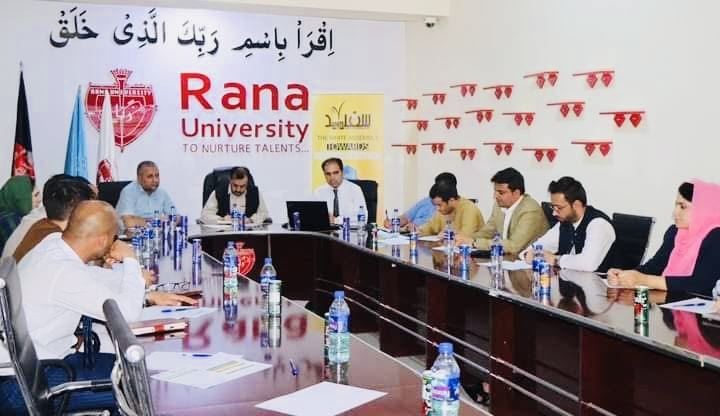
Nation Social Assembly representative participates in National Youth Conference
A representative joined national discussions on youth engagement, civic participation, and Afghanistan's development.
Read storyEvent Participation
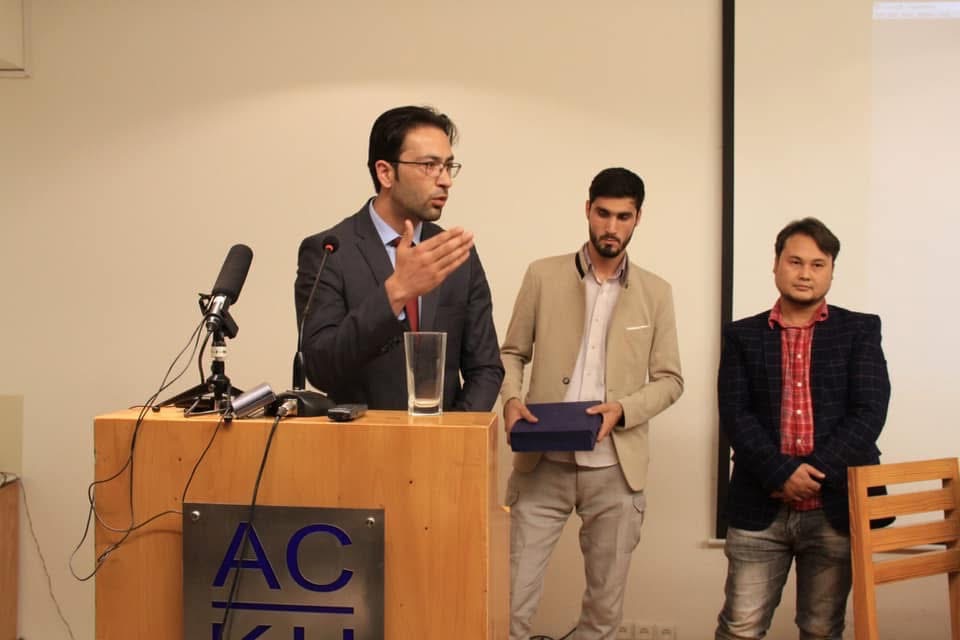
Founder joins National Dialogue on Tolerance and Reconciliation
The founder highlighted tolerance, mutual respect, peaceful coexistence, and reconciliation as foundations for a united Afghanistan.
Read storyStakeholder Engagement
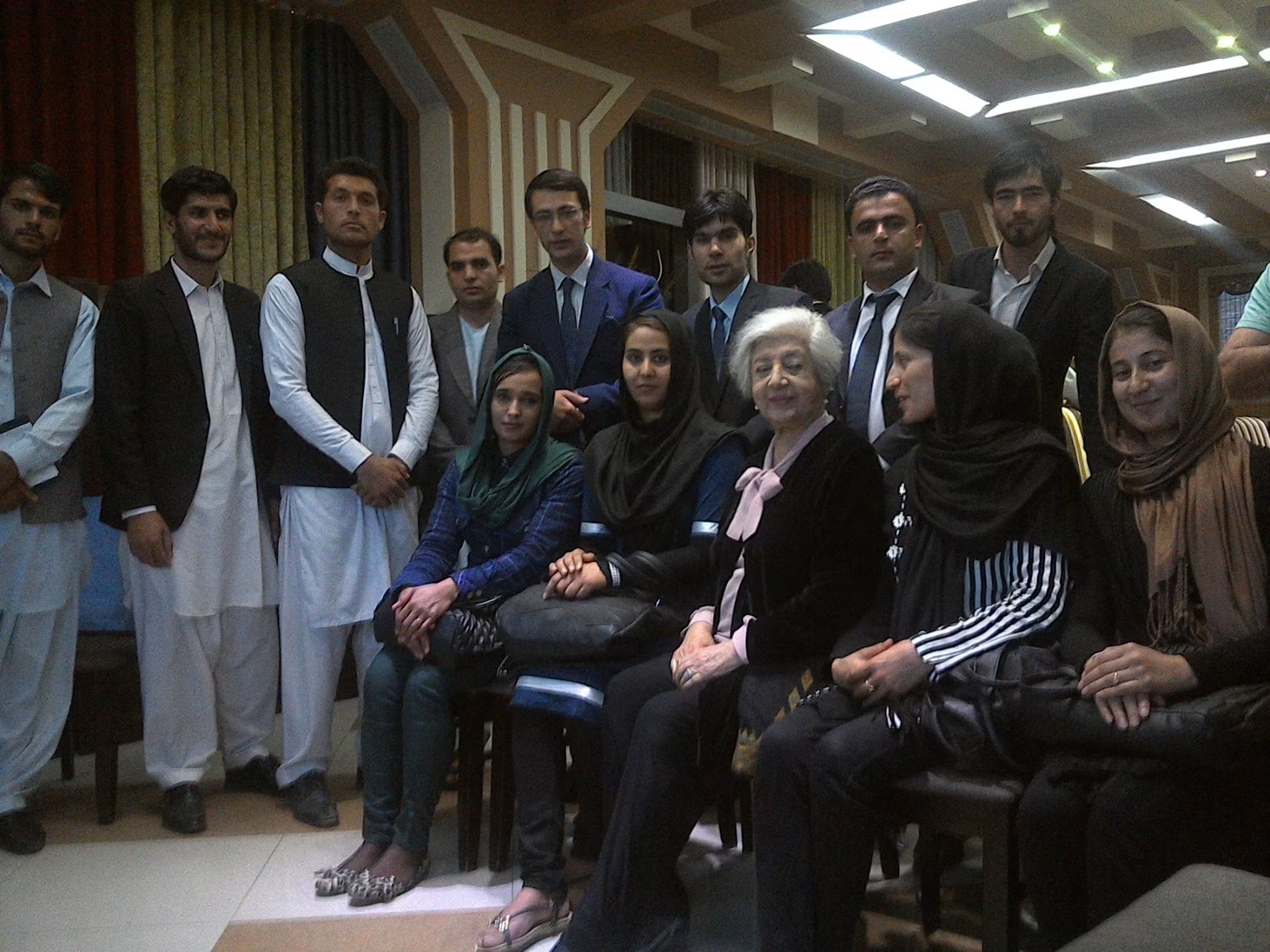
Nation Social Assembly meets with the team of Princess India
The founder and representatives discussed an inclusive platform to unite Afghans around dignity, justice, and national progress.
Read story